Empowering Journeys: From Cancer Advocacy to Clinical Trials and Survivor Stories
In a world where the word 'cancer' can evoke fear and uncertainty, the power of advocacy stands tall, lighting the path towards healing and empowerment. Imagine a place where stories of survival resonate with the collective hope of a community, where educational outreach and awareness campaigns transform lives through knowledge and support. At the intersection of oncology and patient care lies a vibrant community ready to uplift those navigating the daunting journey of malignancy. Here, we delve into the profound impact of advocacy on cancer journeys, highlighting how community support can reshape the narrative and inspire strength amid adversity.
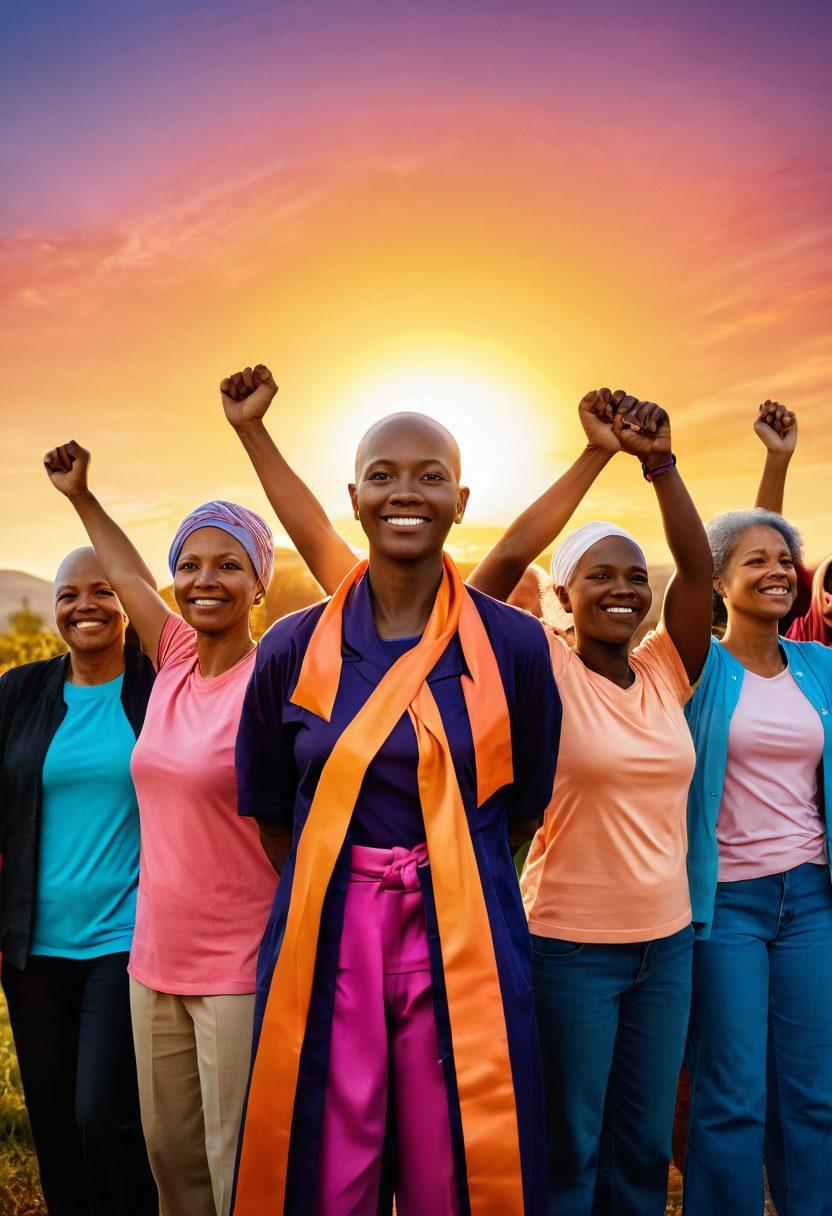
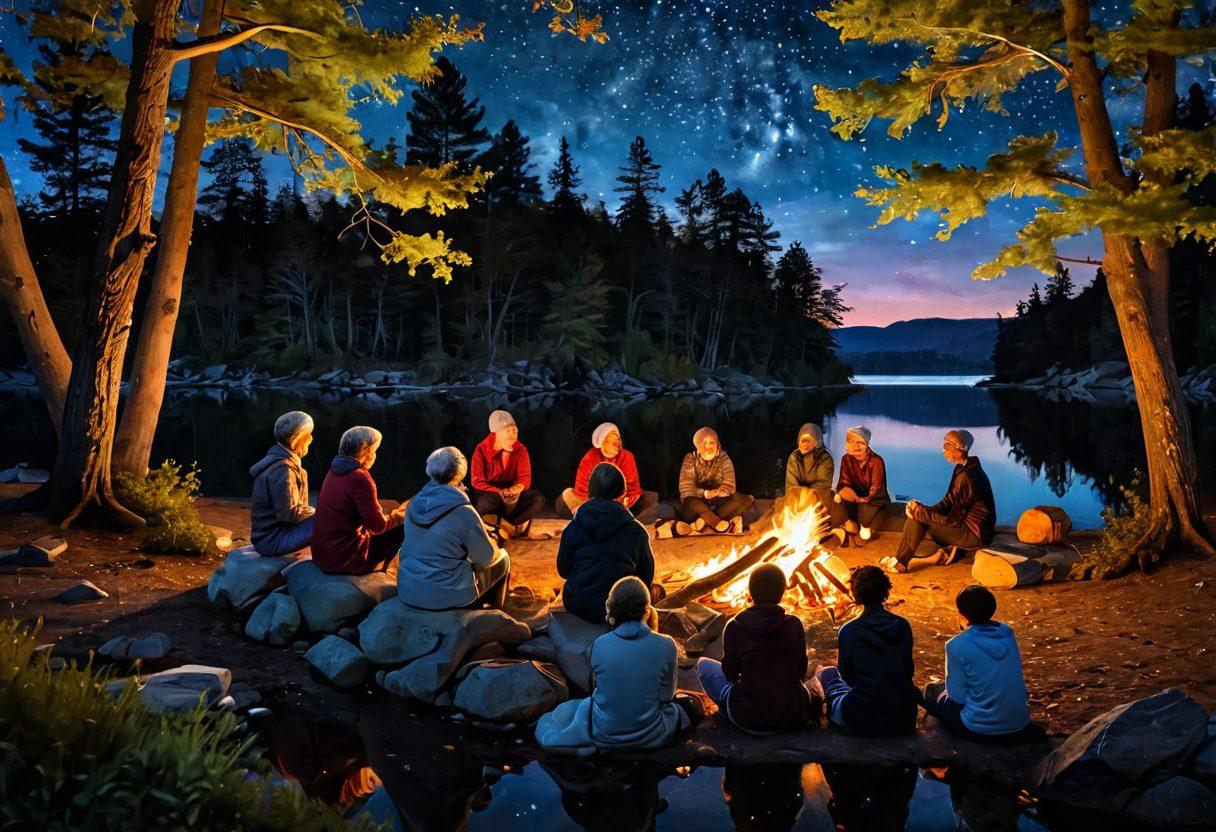
The journey through cancer is not just a personal experience; it is a shared journey. Advocacy groups play a vital role in fostering connections among patients, caregivers, and healthcare professionals, offering resources and guidance. Consider this: what if your next encounter with a stranger turned into a storytelling moment, where two cancer survivors exchange stories, transforming fear into hope? This is the heart of community support—where collective experiences are honored and where individuals realize they are not alone in their fight against tumor growth. Advocacy amplifies these voices, creating a powerful chorus that commands attention.
Education is the cornerstone of awareness campaigns that advocate for better patient care. When patients understand the nuances of their diagnosis, from neoplasia to the various therapies available, they become proactive participants in their health journey. Picture a newly diagnosed individual who stumbles upon a patient-led workshop discussing clinical trials and interventions. This gathering not only deconstructs medical jargon but also empowers individuals to take charge of their healing process. What if you had insights from those who have traversed similar paths? This kind of advocacy acts as a bridge, connecting knowledge with personal experiences underlining that cancer survivorship is indeed possible and achievable.
Advocacy doesn't end with awareness; it spreads its wings into the realm of research, particularly in clinical trials. Did you know that participation in studies can lead to breakthroughs that significantly improve treatment outcomes? As the oncology field evolves, armed with insights from medical research and investigations, the opportunities for innovative therapy options are expanding. Imagine a patient who, feeling lost and overwhelmed, discovers that they can be part of a study aiming to develop the next-generation treatment. It's not just about surviving; it's about contributing to the future of cancer care—leaving a legacy of hope and empowerment for those who will follow in their footsteps.
As we celebrate the incredible stories of cancer survivors, let us remember the strength that lies within community support and advocacy. Hope is tangible when we come together to share knowledge, experiences, and aspirations. It's in these moments of connection that we redefine the cancer narrative—one that speaks not just of malignancy, but of resilience and fighting spirit. So, as advocates, let’s continue to foster spaces for dialogue, learning, and personal growth, empowering each one of us to transform our journeys and, ultimately, the landscape of cancer care for future generations.
Navigating Clinical Trials: A Comprehensive Guide to Oncology Research and Patient Empowerment
Navigating the world of clinical trials can be both exhilarating and daunting, especially for those affected by cancer. Imagine standing at the crossroads of fear and hope, contemplating a journey that could drastically alter your path to healing. This is where patient empowerment comes into play. By understanding clinical trials, patients and their families can make informed choices, transform their treatment approach, and perhaps even discover new avenues for healing. In the vast landscape of oncology research, knowledge is not just power—it's a beacon of hope illuminating the way toward effective interventions against malignancy.
Clinical trials are the lifeblood of medical research, driving innovation and the development of new therapies. Yet, many are left wondering: what exactly are clinical trials, and how do they impact patient care? At their core, these studies are systematic investigations designed to evaluate the safety and effectiveness of new drugs, treatments, or interventions. From phase I studies that first test a new treatment's safety to phase III trials comparing it against standard therapies, each step brings us closer to breakthroughs in cancer treatment. Navigating these studies might seem overwhelming, but with proper education and community support, patients can participate meaningfully in their own care.
One of the central themes of joining a clinical trial is empowerment through information. Many patients feel lost, often querying, “Will this trial help me? What if I experience adverse effects?” These questions are critical and deserve thoughtful consideration. Personal experiences shared by survivors can be incredibly enlightening. Hearing stories of those who have successfully undergone novel therapies can shift the paradigm of fear to one of hope. In addition, education about what to expect—ranging from treatment protocols to potential side effects—empowers individuals to weigh their options effectively. Remember, every giant leap in healthcare started with individuals courageous enough to think outside the box.
'engaging in advocacy is key to the clinical trials journey. Be bold! Attend awareness campaigns, participate in discussions, and seek out resources that educate you on neoplasia and tumor research advances. Network with healthcare professionals for updates on current studies and available interventions in your area. Advocacy fosters an informed community that holds healthcare systems accountable for quality patient care and supports patients in navigating their healing journeys with confidence. You’re not alone; your voice can amplify the need for change in cancer survivorship and clinical trials.
In the words of a wise oncology advocate, "Hope is the anchor of the soul; when we understand the tide of research, we can sail through the storm of illness." Clinical trials are a testament to human resilience and the desire for better therapy. They truly embody the spirit of innovation and community support. This journey may be filled with uncertainties, but with education and empowerment, we can transform the narrative around cancer into one of hope—where survivorship stories gather strength from shared knowledge and where together, we can pave the path toward a healthier tomorrow.
Inspiring Survivor Stories: The Healing Impact of Personal Experiences in Cancer Care
In the field of oncology, stories have the power to heal. Have you ever found yourself inspired by someone else's journey? The personal experiences of cancer survivors resonate deeply, providing hope and a sense of community for patients navigating the murky waters of malignancy and neoplasia. These narratives not only bring awareness to the battles faced but also empower others to engage in their healthcare journey. Each story, steeped in resilience, serves as an intervention that often leads to transformative well-being for individuals and communities alike. Through these compelling survivor stories, we witness the profound impact of shared experiences on cancer care and advocacy.
Every survivor story is like a beacon of light—each illuminating a different path through the darkness of illness. From initial diagnosis through the rigorous therapy of clinical trials, survivors come face-to-face with diverse challenges. They endure the complexities of medical research and treatment studies, often feeling overwhelmed yet determined. As they share their narratives, they shed light on how intervention strategies, whether they be lifestyle changes or pioneering treatments, can radically improve patient care. It's fascinating to see how these individual accounts can shift attitudes, foster education, and enhance healthcare approaches by emphasizing the human aspect behind the statistics.
One survivor, Jessica, recalls her experience with a particularly aggressive tumor. "I felt as if I was carrying the weight of the world on my shoulders," she says. But through community support and advocacy initiatives, she discovered a network of individuals who shared her struggles. Through their encouragement and the power of personal experiences, Jessica found healing not only in her body but in her spirit. Her transformation illustrates how cancer survivorship can redefine one’s purpose and motivate collective action. Isn't it reassuring to know that others have walked in your shoes and emerged stronger?
Advocating for education and awareness campaigns, these survivors highlight the importance of sharing their journeys to foster hope. They address societal stigma associated with cancer and encourage open dialogue about the realities of living with malignancy. It’s crucial to dismantle the fear surrounding discussions about oncology conditions. By speaking up, survivors not only empower themselves but also those who might feel isolated and unheard. Their stories serve as a clarion call for understanding, emphasizing that cancer is not just a personal battle but a shared ordeal that can unite us in our fight against neoplasia.
As we hear these incredible tales of courage, one question lingers: how might your own story inspire change? The healing impact of personal experiences in cancer care is undeniable. Whether through direct involvement in clinical trials or participating in community support groups, each action taken can bridge the gap between loss and liberation. By amplifying their voices, these survivors not only spotlight the need for continued medical investigation but also cultivate a culture of empowerment—one that upholds faith in hope and healing. Let's celebrate these profound journeys and continue to spread awareness, fostering a future where everyone feels supported in their cancer recovery.